+860-223-6412
1146 East Street, New Britain, CT 06051 · NADCAP | ISO 9001:2015

Dry Film
Lubricants

Finishes / Dry Film Lubricants

Dry film lubricants for clean, long-lasting wear protection.

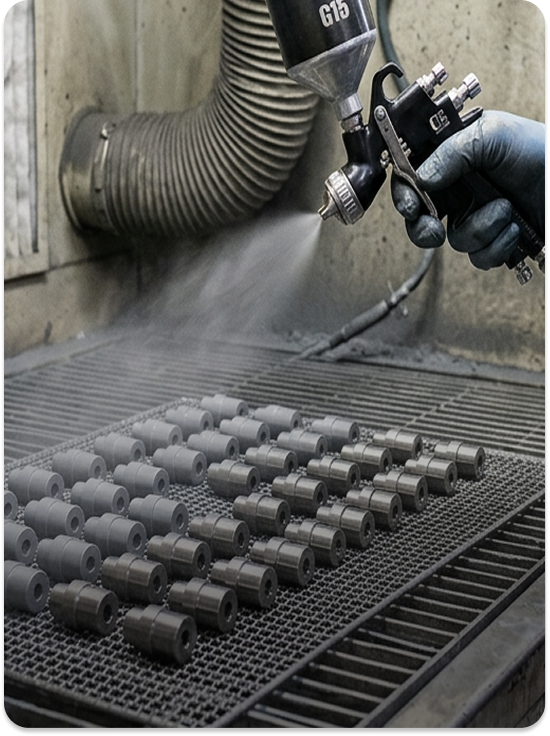
Dry Film Lubricants — also known as dry lubes or solid film lubes — provide protection from damage during relative movement and reduce friction and wear. They are typically spray-applied like paint, though dipping is also possible. The most used materials are inorganic compounds such as graphite and molybdenum disulfide (MoS2), and the polymer PTFE (polytetrafluoroethylene).

They have very high lubricating properties and are ideal where conventional wet greases or oils cannot be used. They may serve as a direct replacement for greases and oils, or as a backup lubricant beneath grease to prevent failure if the primary lubricant is depleted.

Very high lubricating properties

Dry, clean — no oil or grease residue

Corrosion protection and long wear life

Effective where conventional lubricants are difficult to apply or retain

Typical Applications

Where Dry Film Lubricants Fit

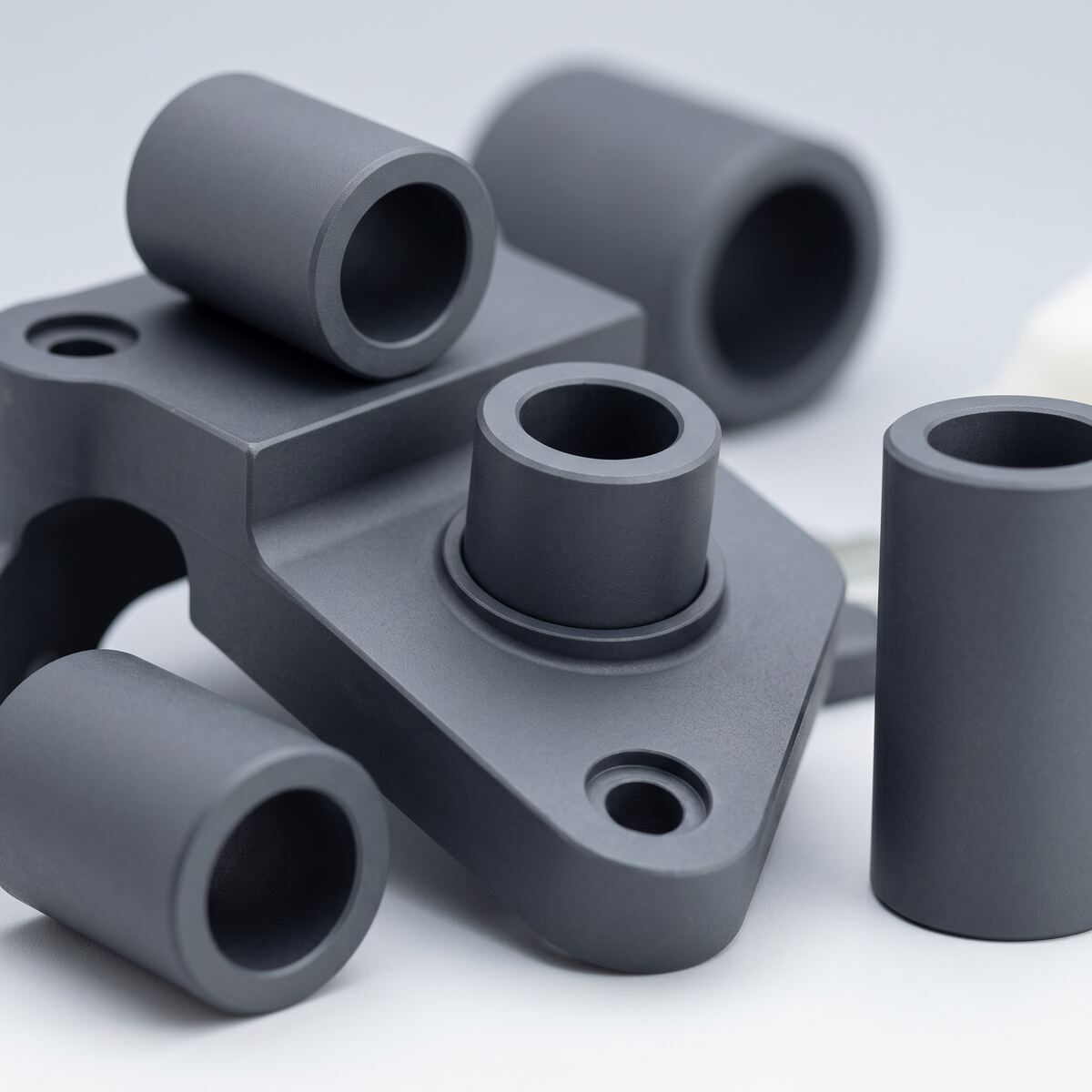
Dry film lubricants help reduce friction, wear, and galling where conventional oils or greases are difficult to apply, retain, or rely on.

High-Wear Parts

Support controlled movement and reduce damage during relative motion.

Learn More

Lubricity Needs

Useful where oils or greases are difficult to apply or retain.

Learn More

Backup Lubrication

Can serve beneath grease if the primary lubricant becomes depleted.

Learn More

APPLICATION

Dry Film Lubricants

Best Uses

Reduce friction and wear

Prevent galling

Use where wet lubricants are difficult to apply or retain

Provide clean, dry lubrication

Specifications

• MIL-PRF-46010
• MIL-PRF-46147

Frequently Asked Questions

Have a drawing, specification, or RFQ ready? These common questions can
help you prepare the right information before requesting a quote.
When should dry film lubricant be used?

Dry film lubricant is used when parts need friction, wear, or galling protection and conventional oils or greases are difficult to apply or retain.

Yes. Dry film lubricant is often applied over phosphate coatings when additional lubrication, wear resistance, or break-in protection is needed. The correct process depends on the part specification and performance requirements.

Dry film lubricant requirements are commonly tied to MIL-PRF-46010 or customer-specific specifications. Drawings should be reviewed to confirm the correct coating type, thickness, cure requirements, and testing needs.

Dry film lubricant can reduce the need for oil or grease in some applications, especially where clean, dry lubrication is preferred. However, it may not replace wet lubrication in every operating condition.

Dry film lubricant helps protect against friction, wear, galling, and metal-to-metal contact. It is commonly used where parts need lubrication without relying on wet oils or greases.

Yes. Dry film lubricant can be used as backup or supplemental lubrication when conventional lubricants may not stay in place, may attract debris, or may not perform well under operating conditions.

Common dry film lubricant specifications may include MIL-PRF-46010 and other customer or application-specific requirements. Final specification selection depends on the part material, use case, and required performance.

What information is needed for a quote?

Please include the part material, finish required, applicable specification, quantity, dimensions or approximate weight, drawing or print if available, required delivery date, and any masking, racking, testing, or certification requirements.

Have a drawing or
specification ready?

Upload RFQ for DRY FILM Lubricant →