+860-223-6412
1146 East Street, New Britain, CT 06051 · NADCAP | ISO 9001:2015

Conversion
Coatings

Finishes / Conversion Coatings

Conversion coatings for durable, specification-
driven metal performance.

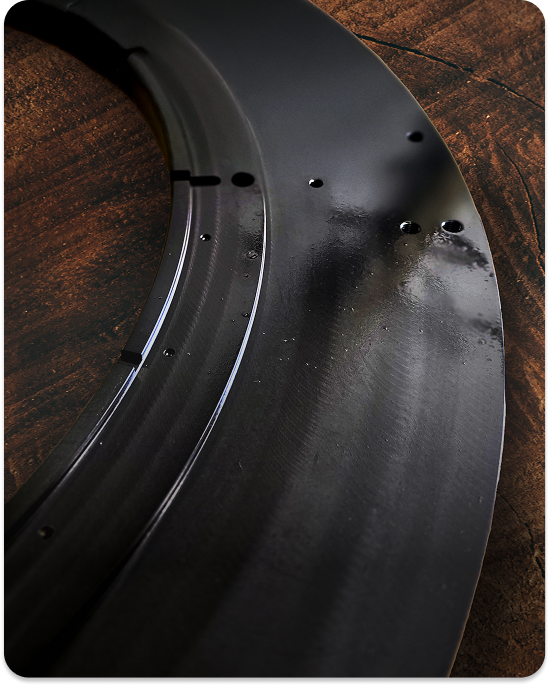
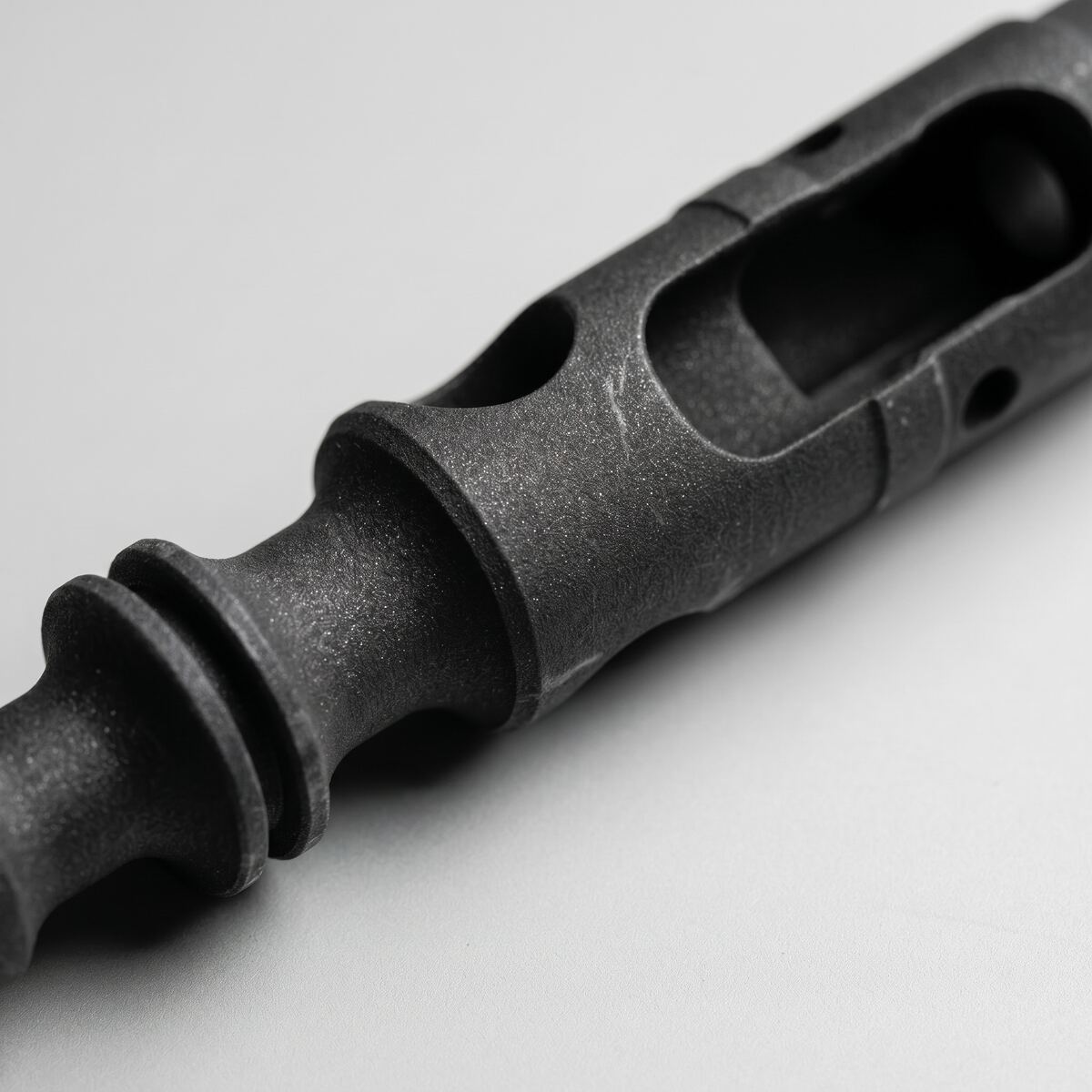
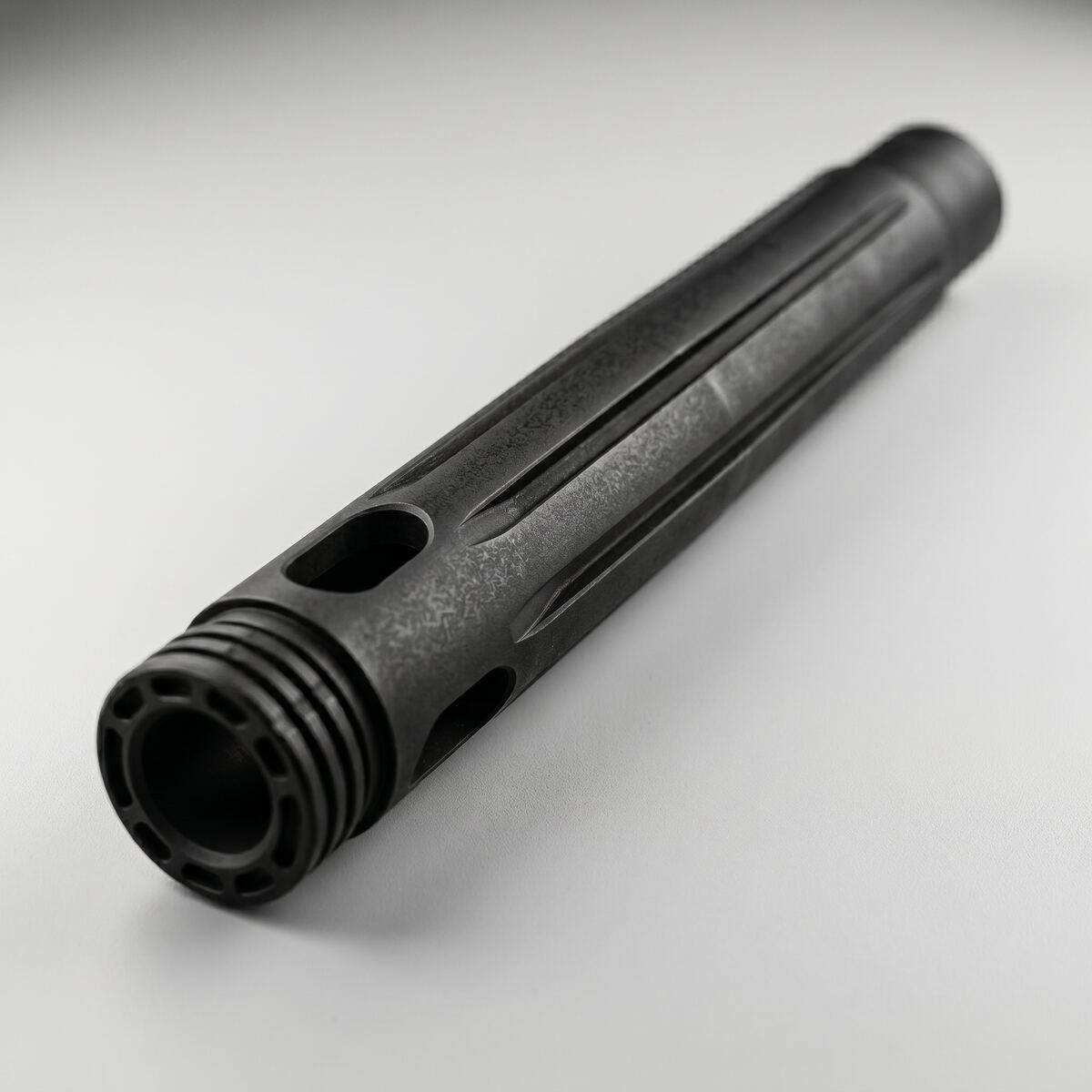
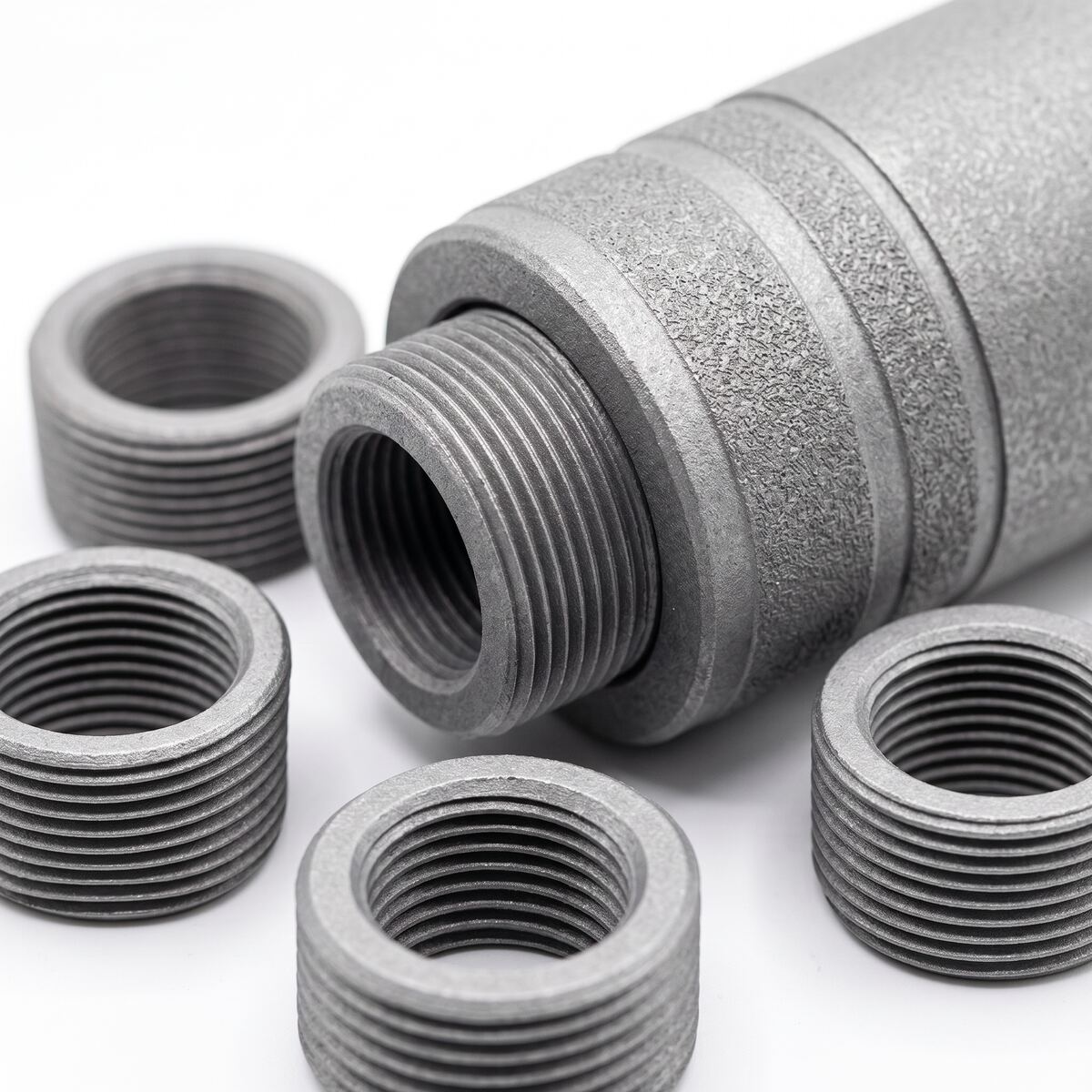
Conversion coatings are produced by a chemical or electrochemical (not currently offered) treatment of a metallic surface that gives a superficial layer containing a compound of the metal — as opposed to applied coatings which bond to but do not chemically react with the metal. These coatings provide superior corrosion resistance, improved paint adhesion and enhanced surface durability…all without changing part dimensions. The converted metal surface then becomes a durable protected layer that enhances lubricity, reduces glare and provides a matte black finish. JH Metal Finishing offers steel conversion coatings (Black Oxide and Phosphate).

Supports corrosion resistance

Enhances surface durability

Minimal dimensional buildup

Improves paint and oil adhesion

Typical Applications

Built for Industrial & Specification-Driven Parts

Certified quality systems, specification experience, and documentation-ready workflows help reduce risk across every finishing project.

Black Oxide

Precision components requiring matte appearance and minimal buildup.

Learn More

Zinc Phosphate

Steel parts prepared for paint, topcoat, or corrosion-protection systems.

Learn More

Manganese Phosphate

Components needing wear protection, oil retention, and break-in performance.

Learn More

PROCESS 01

Black Oxide Coating

Black oxide is a conversion coating formed by a chemical reaction with the iron in the metal to create an integral protective surface layer. Used with oil or wax post-treatment, it provides a matte black appearance with minimal dimensional buildup.

Best Uses for Black Oxide

Matte black appearance

Cost-effective corrosion protection

Dimensional stability

Low-buildup finishing needs

Common Specifications

• MIL-DTL-13924 Class 1, 2 & 4
• AMS 2485
• 3.31 of MIL-STD-171
• 3.3.2 of MIL-STD-171
• 3.3.4 of MIL-STD-171
• MIL-F-495

Materials

• Steel
• Stainless Steel
• Copper
• Brass

PROCESS 02 | Zinc & Manganese

Phosphate Coating

Phosphate coating is an immersion process in which small crystalline structures of iron, zinc, or manganese are grown on steel alloys. JH Metal Finishing offers both Zinc and Manganese phosphating for applications requiring paint prep, corrosion protection, lubricant retention, and wear performance.

Best Uses for Phosphate Coatings

Corrosion protection when oiled

Paint and oil adhesion

Topcoat preparation

Break-in wear performance

Common Specifications

• MIL-DTL-16232, TYPE M, CLASS 1, 2 & 3
• MIL-DTL-16232, TYPE Z, CLASS 1, 2 & 3
• 5.3.1.1 OF MIL-STD-171
• 5.3.1.2 OF MIL-STD-171
• 5.3.1.3 OF MIL-STD-171

• 5.3.2.1 OF MIL-STD-171
• 5.3.2.2 OF MIL-STD-171
• 5.3.2.3 OF MIL-STD-171
• AMS 2480
• AMS 2481

Materials

• Steel Alloys

Finish Selection

Choose The Right Phosphate Finish

01

Zinc Phosphate

Used to prepare steel parts before painting, top
coating, or cold-forming operations. It supports
paint adhesion and provides a base for
corrosion-protection systems.

02

Phosphate

Used for parts requiring wear protection, oil
retention, and reduced metal-to-metal contact
during break-in. Also commonly used as a base for
dry film lubricant.

Frequently Asked Questions

Have a drawing, specification, or RFQ ready? These common questions can
help you prepare the right information before requesting a quote.
What information should I provide for a quote?


Please include the finish required, applicable specification, part material, quantity, dimensions or weight, drawing or print if available, and required delivery date.

Yes. If you are unsure which finish is best, JH Metal Finishing can review your drawing, specification, material, and application requirements to help recommend the appropriate process.

Black oxide produces minimal dimensional buildup compared with plated or painted coatings. It is often selected when parts must maintain close tolerances while still receiving a protective black finish.

Zinc phosphate is best for paint adhesion and corrosion protection. Manganese phosphate is better for wear resistance, oil retention, and reducing metal-to-metal contact.

Black oxide is ideal when you need a matte black finish with minimal dimensional change. It is commonly used for steel parts that require corrosion resistance, reduced glare, or a clean appearance when paired with oil or wax.

Zinc phosphate is commonly used as a base coating before paint, topcoat, or other finishing systems. It helps improve paint adhesion and supports corrosion protection for steel components.

Manganese phosphate is recommended for parts that need wear resistance, oil retention, and reduced metal-to-metal contact. It is often used for break-in applications and components requiring added lubrication support.

Can conversion coatings improve corrosion resistance?

Yes. Black oxide and phosphate coatings can support corrosion resistance, especially when paired with oil, wax, or other approved post-treatment options depending on the finish and specification.

Have a drawing or
specification ready?

Upload RFQ for Conversion Coatings →